Choosing a haircut can be challenging when you want something stylish without spending too much time in front of a mirror. You might prefer clean sides, a manageable top, and a finish that looks good even when you do not use several styling products. The French Crop Haircut is a strong option for this kind of routine. It combines shorter sides with a relatively short top and a forward-facing fringe. Depending on the barber’s technique, it can look neat, textured, edgy, or understated.
One of its main advantages is versatility. You can pair it with a taper, a skin fade, a low fade, or naturally blended sides. The top can remain soft and slightly messy or feature more pronounced texture. French Crop Haircut guide explains what makes the haircut distinctive, which variations are worth considering, and how to choose a version that works with your hair type and face shape.
What Is a French Crop Haircut?
A French crop is a short hairstyle characterized by a relatively compact top and a fringe that falls forward toward the forehead. The sides and back are generally shorter than the top, creating a clear but adaptable contrast.
The fringe is an important part of the style. It may be blunt and straight, lightly textured, uneven, or slightly separated into sections. The top usually has enough length to create a little movement, but it does not require the volume associated with longer hairstyles.
Defining Features
- Short or moderately short hair on top.
- A fringe directed toward the forehead.
- Shorter sides and back.
- Optional taper or fade.
- A finish ranging from smooth to heavily textured.
The French crop can suit people who prefer a compact hairstyle, but the exact result depends on how the barber balances the top, fringe, and sides.
Why the French Crop Haircut Remains Popular
The haircut combines a distinctive appearance with practical everyday styling. It generally requires less length and less elaborate shaping than many longer men’s hairstyles. Its forward fringe can also be useful for people who prefer not to expose the entire forehead. Meanwhile, the short sides create a cleaner silhouette.
Another advantage is that the style can be personalized. A traditional version may feature a relatively even fringe, while a contemporary version may incorporate choppy layers or a fade. The haircut is not limited to one age group. Men, teenagers, and older adults can all consider it, provided the proportions fit their hair and preferences.
Popular French Crop Haircut Styles
Classic French Crop Haircut
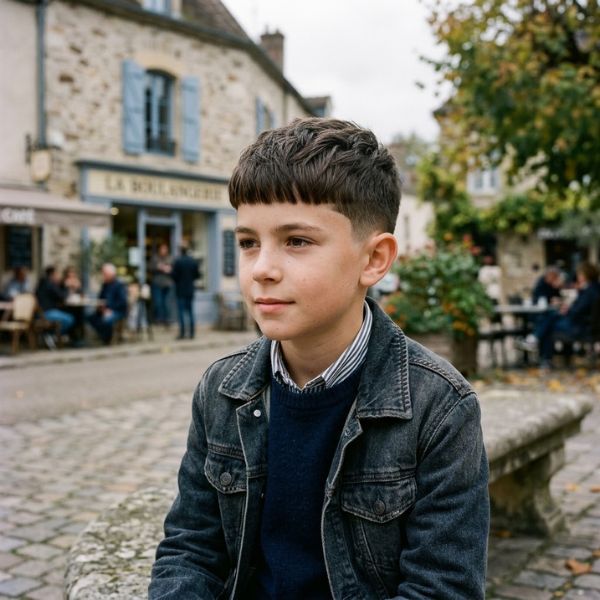
The classic version features a short top, a simple forward fringe, and neatly trimmed sides. The overall appearance is restrained and easy to manage.
It is a useful starting point if you want the shape of the haircut without an especially dramatic fade or pronounced texture.
Textured French Crop Haircut
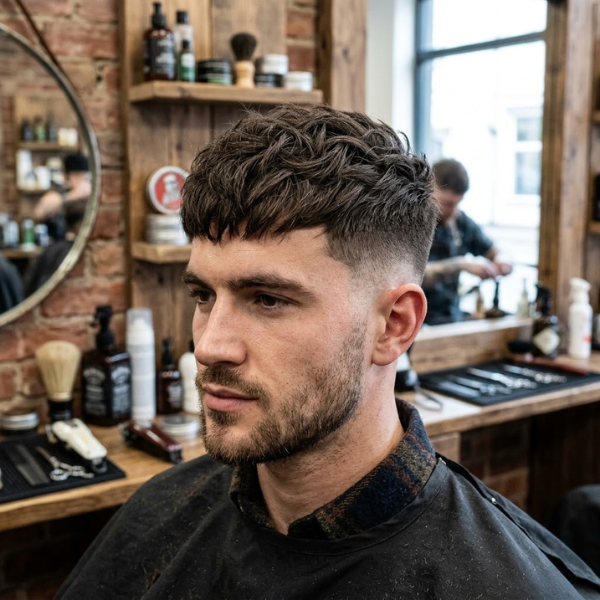
A textured version uses layers and uneven lengths to create separation across the top. This helps the hair look less flat and gives the style a more contemporary finish.
A small amount of matte paste can highlight individual sections.
Short French Crop Haircut
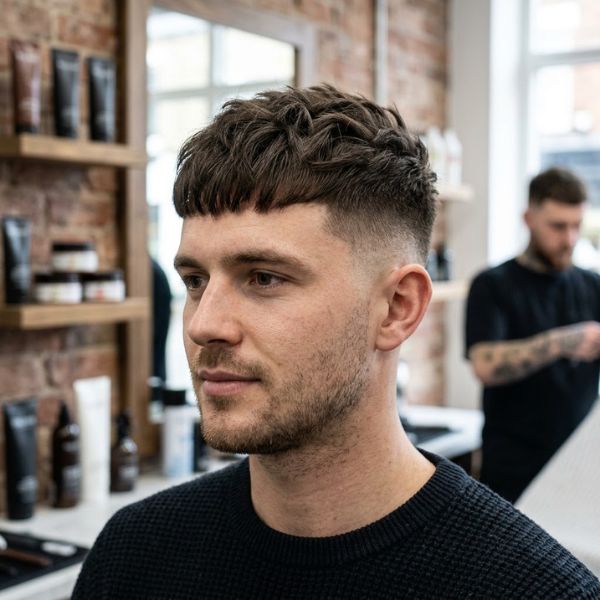
The short variation keeps the fringe and top close to the head. It is practical for people who want a simple morning routine and prefer a compact silhouette.
The barber should leave enough length for the front to retain its shape.
French Crop Haircut with a Taper
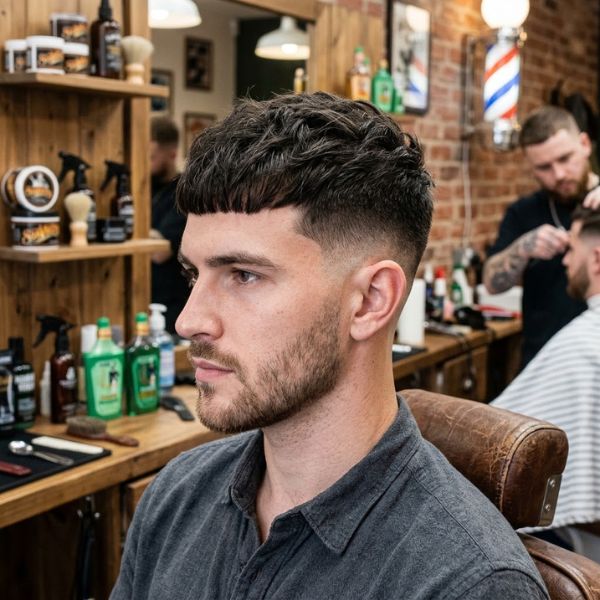
A taper gradually shortens the hair around the temples and neckline. This creates a subtle transition without necessarily exposing much scalp.
It is a good choice if you want clean edges but prefer a softer alternative to a high-contrast fade.
Messy French Crop Haircut
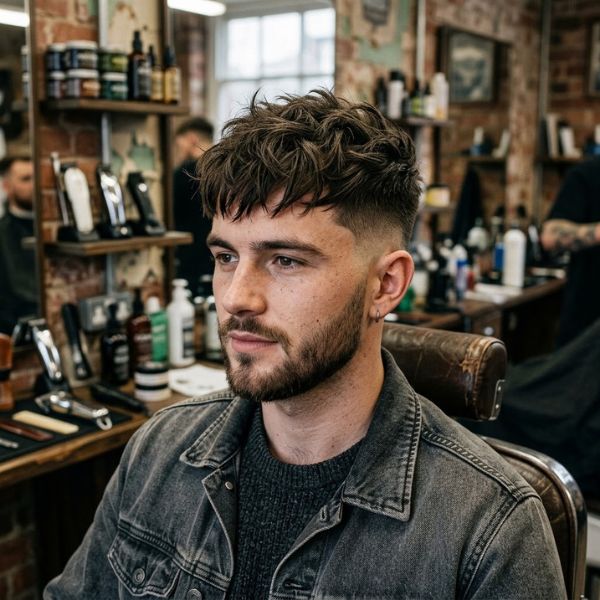
The messy variation features a less uniform top. The barber creates texture so the hair can be arranged loosely with the fingers.
This style suits people who prefer a relaxed appearance rather than perfectly aligned strands.
Curly French Crop Haircut

Natural curls can create movement and fullness on top. The fringe can follow the curl pattern instead of being forced into a completely straight line.
The barber should consider shrinkage when cutting curly hair, since the finished length may appear shorter after drying.
Wavy French Crop Haircut
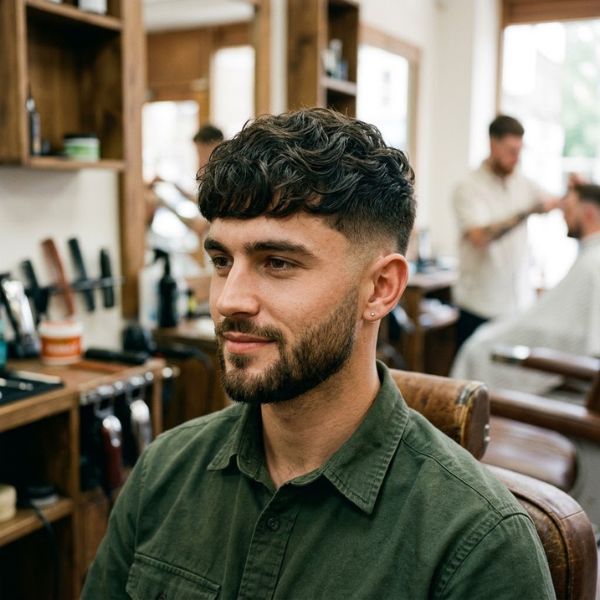
Waves introduce natural variation through the top. A lightly textured fringe can complement this movement and help the haircut look less rigid.
Use a lightweight cream if the hair becomes frizzy or difficult to arrange.
Blunt Fringe Crop

A blunt fringe creates a more defined horizontal line across the forehead. It produces a stronger, more graphic appearance than a soft, uneven fringe.
This version requires careful shaping because small changes in fringe length can noticeably affect the overall result.
Choppy Fringe Crop

The choppy variation breaks up the front edge into separated sections. It looks relaxed and can add visual interest to straight hair.
Ask the barber to avoid excessive thinning if your hair is already fine.
French Crop Haircut with a Beard
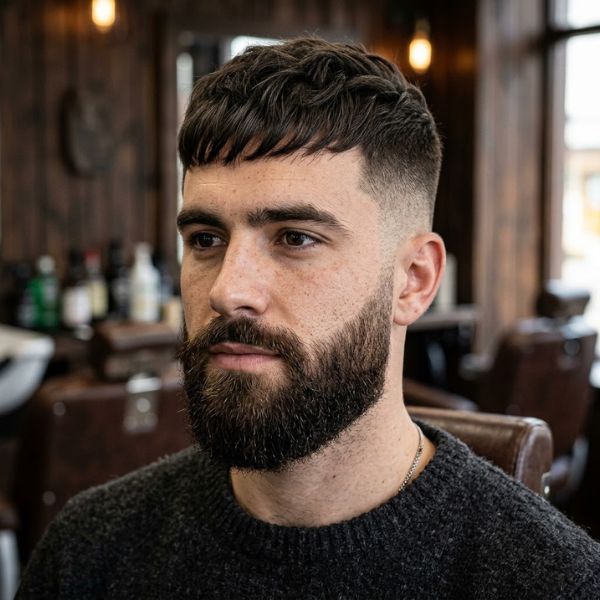
A short beard can complement the haircut by balancing the compact top with facial hair around the jaw.
Keep the beard length and haircut proportions coordinated. A short crop can work with everything from light stubble to a fuller, carefully maintained beard.
French Crop Haircut with a Line-Up
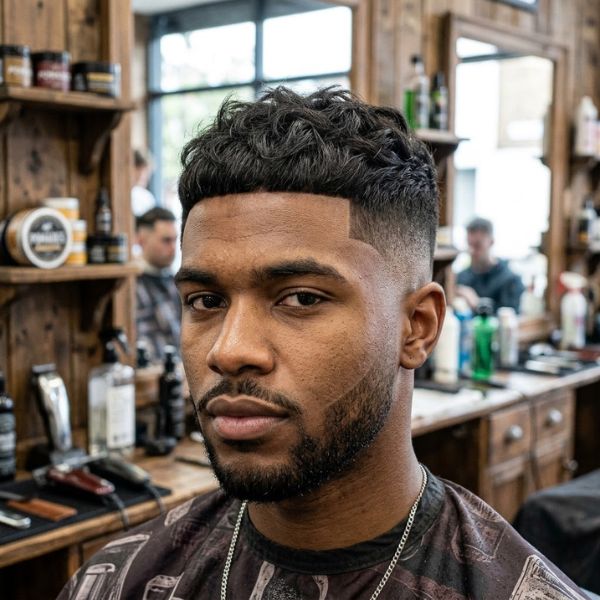
A line-up sharpens the outline around the forehead and temples. It can create a more structured finish, especially when combined with a fade.
The hairline should remain natural-looking and suit your facial proportions.
Choosing a French Crop Haircut for Your Face Shape
Oval Face
An oval face can often accommodate a variety of crop lengths. A short fringe creates a neat appearance, while a textured top adds a more relaxed character.
Choose based on your preferred style rather than assuming you need a particular variation.
Round Face
Moderate texture through the top can create additional visual definition. Avoid excessive width around the sides if you want a more elongated silhouette.
A slightly irregular fringe may also help prevent the haircut from appearing too uniform.
Square Face
A square face often has a defined jaw and broad forehead. A clean crop can complement these features, while soft texture can reduce the haircut’s rigidity.
Both a blunt fringe and a choppy fringe may work, depending on your preferences.
Long Face
A forward fringe can reduce the appearance of forehead length. Keeping the top relatively low may help maintain balanced proportions.
Discuss the fringe length with your barber rather than choosing it from a photograph alone.
Heart-Shaped Face
A softer fringe and controlled side volume can complement a broader forehead and narrower chin. A heavily squared fringe may produce a stronger contrast, so consider whether that effect matches your preference.
How to Ask Your Barber for a French Crop
Bring a reference photograph showing the front, side, and back whenever possible. Different barbers may interpret the same haircut name differently.
Explain:
- How short you want the top.
- Whether you prefer a blunt or textured fringe.
- Whether the sides should be tapered, faded, or naturally blended.
- How much scalp visibility you are comfortable with.
- Whether you want the haircut to look neat or deliberately messy.
- How frequently you can visit the barber.
If you are uncertain, ask for a conservative first cut. You can always shorten the fringe or introduce a stronger fade later.
Read More: Boys Modern Mullet: Trendy Haircut Ideas, Styling Tips, and Inspiration
How to Style the French Crop Haircut
The styling routine is usually simple because the hair is relatively short.
- Wash the hair when needed and gently towel-dry it.
- Guide the top forward with your fingers.
- Use a small amount of matte paste for definition.
- Separate the fringe into sections if you prefer a textured finish.
- Leave the hair mostly natural if you want a softer appearance.
- Avoid applying heavy product close to the roots if your hair becomes oily easily.
A blow dryer can help direct stubborn hair, but it is not essential for everyone.
Choosing the Right Styling Product
Matte paste works well for many textured finishes. Styling cream offers a softer hold, while clay may provide more separation and control.
For curly hair, consider a lightweight curl cream. For fine hair, choose a product that does not weigh down the top.
Start with a small amount. Adding more product is easier than correcting hair that has become greasy or stiff.
Maintenance Tips
The sides usually need attention before the top loses its shape. However, your schedule should depend on your preferred finish and how quickly your hair grows.
- Trim the sides every few weeks if you want a crisp outline.
- Keep the fringe at a comfortable length.
- Avoid cutting the fringe too short at home.
- Use a suitable shampoo and conditioner.
- Reduce unnecessary heat styling.
- Ask your barber to preserve the texture you liked in your previous cut.
A softer crop can grow out naturally, while a sharp fade requires more frequent upkeep.
Common Mistakes to Avoid
- Making the fringe too short: This can change the haircut’s proportions.
- Removing too much texture: The top may become flat or difficult to style.
- Choosing an unsuitable fade: A high-contrast fade can look different from the softer result you expected.
- Using too much product: Heavy styling products can make short hair look greasy.
- Ignoring hair growth patterns: A cowlick may cause the fringe to lift or separate.
- Expecting identical results from a reference photo: Hair texture and density influence the finished cut.
Frequently Asked Questions:
Is a French crop haircut easy to maintain?
Yes. It is generally a practical hairstyle, especially if you choose a short top and a simple finish. The sides may need regular trimming to remain sharp.
Does the haircut suit thin hair?
It can. A textured top may create the appearance of fullness, but excessive thinning can make fine hair look less dense.
Can curly-haired men wear it?
Yes. The barber can shape the fringe around the natural curl pattern and leave enough length to account for shrinkage.
Is it suitable for professional settings?
Many versions look neat and understated. A classic crop or soft taper is often a conservative option, depending on your workplace’s grooming expectations.
Can I style it without wax?
Yes. You can wear it naturally or use a lightweight cream or paste. The best choice depends on how much control your hair needs.
How often should I get a trim?
Many people prefer a trim every three to five weeks, although shorter fades may need more frequent maintenance.
Final Thoughts
The French crop haircut offers a practical combination of short length, a forward fringe, and flexible styling. It can look traditional, textured, or contemporary depending on the proportions and side treatment.
Choose a fringe length that complements your features, work with your natural hair texture, and explain your preferences clearly to your barber. With a suitable cut and a small amount of maintenance, this hairstyle can provide a clean, modern appearance without a complicated daily routine.