A fringe mullet is a bold and modern haircut that combines a noticeable fringe at the front with longer, layered hair at the back. This combination creates an eye-catching contrast while giving the hairstyle plenty of texture, movement, and personality.
The modern mullet is much more versatile than the traditional version. You can pair it with a fade, taper, curls, waves, choppy layers, or a messy finish. The fringe can also be short, long, straight, textured, or slightly parted. This makes the style easy to customize according to your hair type, face shape, and personal taste.
What Is a Fringe Mullet?
A fringe mullet is a modern variation of the mullet featuring a defined fringe across or around the forehead. The front and sides are generally shorter, while the back remains longer and layered.
The contrast between the shorter front and longer back gives the haircut its recognizable shape. Adding texture can make it look relaxed and effortless, while a clean fade can create a sharper and more contemporary appearance.
Why Is the Fringe Mullet Popular?
The fringe mullet has become popular because it offers a distinctive style without forcing everyone to wear the same haircut. You can make it subtle and wearable or bold and experimental.
It also works with several hair textures. Straight hair can showcase the layers clearly, while wavy and curly hair can create natural volume and movement. With the right cut, the hairstyle can suit both casual and fashion-forward looks.
15 Fringe Mullet Haircut Ideas
1. Classic Fringe Mullet

The classic version features a defined fringe, shorter sides, and noticeably longer hair at the back. It keeps the traditional mullet structure while giving the front a stronger visual feature.
2. Textured Fringe Mullet

Textured layers create a relaxed and contemporary appearance. The hair looks fuller and more dynamic without requiring an overly polished finish.
3. Choppy Fringe Mullet

A choppy fringe uses uneven layers around the forehead to create an edgy appearance. This version works particularly well if you prefer alternative or fashion-inspired hairstyles.
4. Short Fringe Mullet

A short fringe gives the haircut a cleaner appearance while maintaining the longer back. It can also be easier to manage than a heavy fringe.
5. Long Fringe Mullet

A longer fringe can partially cover the forehead and create a dramatic front profile. It pairs well with heavily layered hair at the back.
6. Curly Fringe Mullet
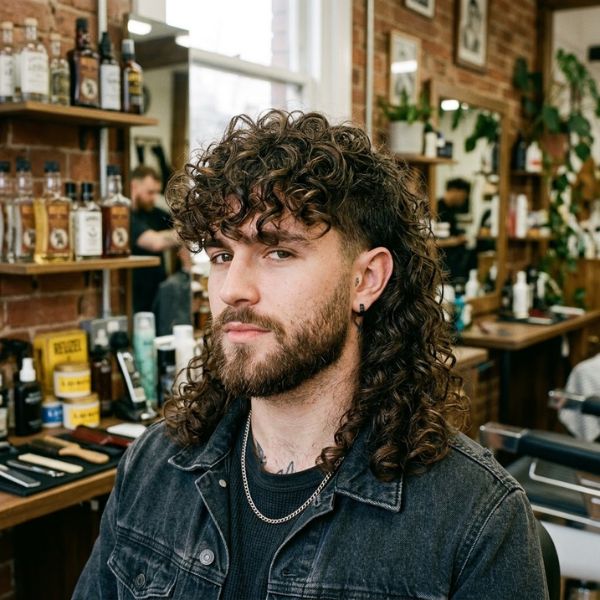
Curly hair gives the haircut natural volume and texture. The curls can make the transition between the fringe and longer back look softer and more distinctive.
7. Wavy Fringe Mullet

Wavy hair adds effortless movement to the style. A lightweight styling cream can enhance the natural waves without making the hair appear heavy.
8. Fringe Mullet With Low Fade

A low fade keeps the sides neat while preserving more length around the upper sides. It creates a subtle contrast and works well for a modern everyday look.
9. Fringe Mullet With High Fade

A high fade creates a much stronger contrast between the short sides and longer top and back. It gives the haircut a sharper and more rebellious appearance.
10. Messy Fringe Mullet

The messy version focuses on natural texture rather than perfect definition. A small amount of matte clay or texture paste can create a relaxed, effortless finish.
11. Wolf Cut Fringe Mullet

This variation combines the layered appearance of a wolf cut with the longer back of a mullet. Heavy layers around the crown create volume and movement.
12. Shaggy Fringe Mullet

A shaggy version uses loose, uneven layers throughout the haircut. It looks particularly good with naturally wavy or textured hair.
13. Fringe Mullet With Beard

A beard can complement the longer shape of the haircut and create a stronger overall appearance. A tapered beard can also help connect the hairstyle with the facial hair.
14. Soft Fringe Mullet
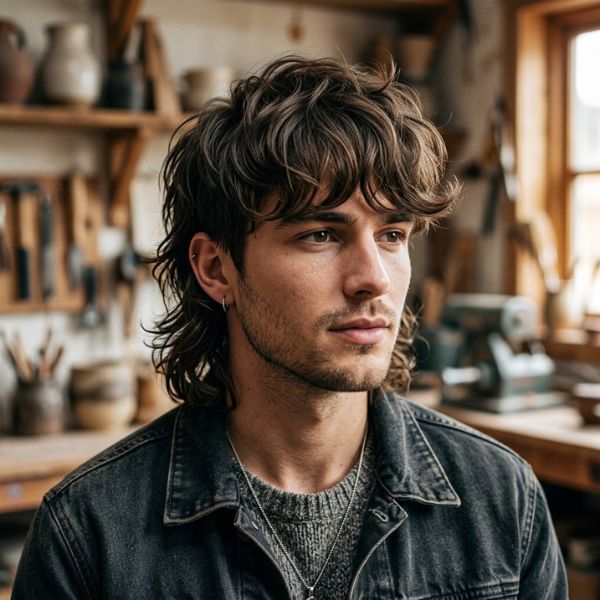
A soft fringe uses lighter, feathered layers rather than a heavy straight line. This creates a more relaxed and approachable version of the haircut.
15. Modern Fringe Mullet
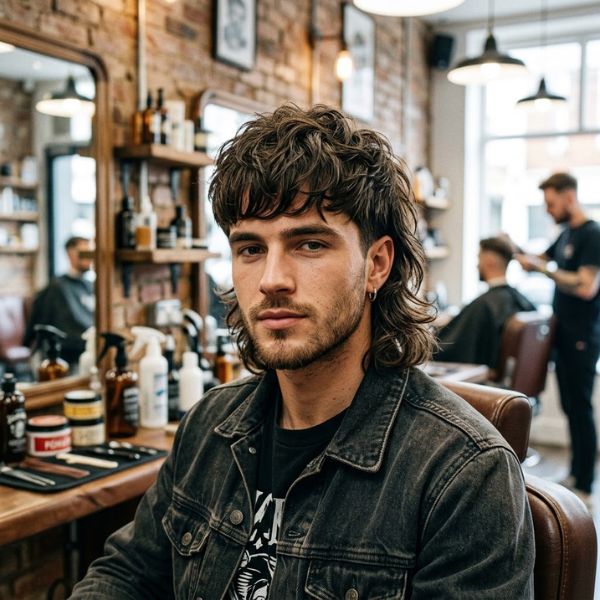
The modern version combines a controlled fringe, textured layers, shorter sides, and a longer back. It maintains the recognizable mullet shape while giving it a cleaner and more contemporary finish.
How to Style a Fringe Mullet
Styling a fringe mullet depends on your hair texture and the look you want to achieve.
Start with clean, slightly damp hair. Apply a small amount of lightweight mousse, styling cream, or texturizing spray. Work the product through the top and back without using too much.
Use your fingers to position the fringe. You can leave it straight, separate it slightly, sweep it to one side, or create a messy appearance.
For the back, use your fingers to separate the layers and encourage natural movement. If your hair is naturally wavy or curly, allow the texture to develop rather than brushing it excessively.
Once the hair is dry, apply a small amount of matte clay or styling paste for additional definition. Finish with light hairspray if you need extra hold.
Best Products for a Fringe Mullet
The right styling product depends on your hair type and desired finish.
Texturizing spray: Adds movement and volume while keeping the hair lightweight.
Matte clay: Provides stronger control with a natural, non-shiny finish.
Styling paste: Offers flexible hold and helps define individual layers.
Sea salt spray: Creates a tousled, beach-inspired texture.
Curl cream: Helps enhance and define naturally curly or wavy hair.
Light hairspray: Keeps the hairstyle in place without making it excessively stiff.
Avoid using too much heavy product because it can flatten the layers and make the haircut look greasy.
Fringe Mullet for Straight Hair
Straight hair can showcase the structure of the fringe mullet particularly well. The fringe remains clearly visible, while the longer back creates a strong contrast.
If your hair tends to look flat, use a volumizing product before styling. Blow-drying the roots upward can also add body.
A slightly textured finish can make straight hair look more dynamic.
Fringe Mullet for Wavy Hair
Wavy hair is naturally suited to a layered mullet. The waves create movement throughout the top and back without requiring excessive styling.
Use a lightweight cream or sea salt spray to enhance the natural pattern. Avoid brushing the hair too much after styling because this can reduce the definition of the waves.
Fringe Mullet for Curly Hair
Curly hair can give the style a unique and fuller appearance. The natural curls create volume throughout the layers while adding character to the fringe.
When getting the haircut, ask your barber to consider how much your curls shrink when they dry. This helps prevent the fringe and back from becoming shorter than expected.
Is a Fringe Mullet Good for Different Face Shapes?
A fringe mullet can be adapted to many face shapes by changing the fringe length, volume, and layering.
For round faces, a textured fringe and some height can create better visual balance. Oval faces can generally handle several variations, while longer faces may benefit from a fuller fringe and less height at the crown.
For square faces, layered texture can soften the overall appearance. Your barber can adjust the haircut according to your natural proportions.
Is a Fringe Mullet Easy to Maintain?
The maintenance level depends on the style you choose.
A messy or naturally textured version can be relatively easy to maintain because it does not require perfect styling. A sharply defined fringe and precise layers require more frequent trimming.
The fringe may also need occasional trimming because it grows toward the eyes and can quickly lose its intended shape.
How Often Should You Trim a Fringe Mullet?
A full haircut every four to eight weeks can help maintain the overall shape. If you prefer a very precise fringe, you may need a small front trim between full haircuts.
Your ideal schedule depends on how quickly your hair grows and how structured you want the style to remain.
How Do You Ask a Barber for a Fringe Mullet?
Tell your barber that you want a modern mullet with a defined fringe at the front. Explain how long you want the back and how short you want the sides.
A reference photo is especially helpful because mullet styles can vary significantly.
Also mention whether you prefer a fade, taper, natural sides, choppy layers, or a softer transition. This helps your barber understand exactly how dramatic you want the haircut to be.
Fringe Mullet vs Wolf Cut
Both styles rely heavily on layers and texture, but their shapes are different.
A wolf cut generally focuses on volume and layers throughout the hairstyle. A mullet usually creates a stronger contrast between the shorter front and sides and the longer back.
The fringe mullet specifically emphasizes the fringe, making the front section an important part of the overall look.
Fringe Mullet vs Traditional Mullet
A traditional mullet usually has shorter hair at the front and sides with longer hair at the back.
The fringe mullet adds a more noticeable fringe across the forehead. This gives the haircut a stronger front-facing feature and makes it easier to customize.
The modern version can also incorporate fades, tapers, texture, and softer layering.
Frequently Asked Questions:
What is a fringe mullet?
A fringe mullet is a modern mullet featuring a defined fringe at the front and longer, layered hair toward the back.
Is a fringe mullet good for straight hair?
Yes. Straight hair can clearly showcase the fringe and layered structure. Adding texture can prevent the haircut from looking flat.
Can curly hair have a fringe mullet?
Absolutely. Curly hair adds natural volume and texture, making the haircut distinctive and full of movement.
Is a fringe mullet suitable for round faces?
Yes. A textured fringe and carefully controlled volume can create better balance for a round face.
How often should you trim a fringe mullet?
A trim every four to eight weeks can help maintain the overall shape, although the fringe may need attention sooner.
Is a fringe mullet difficult to style?
Not necessarily. A naturally messy version can be styled quickly with your fingers and a lightweight product.
Can a fringe mullet look professional?
A softer version with controlled layers and a neat fringe can be suitable for many professional environments.
What product is best for a fringe mullet?
Texturizing spray, matte clay, styling paste, and lightweight creams are popular choices. The best option depends on your hair type and desired finish.
Conclusion
The fringe mullet is a versatile modern haircut that combines a distinctive front fringe with longer, layered hair at the back. Its biggest advantage is customization. You can choose a classic, textured, curly, wavy, messy, faded, or shaggy version depending on your personal style.
With the right fringe length, layering, and styling technique, this haircut can complement different hair textures and face shapes. Whether you want an edgy fashion statement or a more wearable everyday hairstyle, the fringe mullet offers plenty of room for personalization.