The combination of a textured top and faded sides creates a modern haircut that can look both relaxed and well-groomed. It provides a defined outline without requiring the top to remain perfectly smooth or carefully combed.
A textured crop mid fade pairs uneven layers on top with a fade that begins around the middle of the sides. The result creates a noticeable transition between the shorter sides and the fuller top.
The fringe usually falls forward, although it can be shaped into several variations. Some people prefer a short, choppy fringe, while others choose a slightly longer front section with more movement.
This guide explains the defining features of the haircut, popular variations, styling techniques, and maintenance habits that help preserve its shape.
What Is a Textured Crop Mid Fade?
This haircut combines a textured crop with a medium-height fade. The top contains varied lengths that create separation and movement, while the sides gradually become shorter from the upper section toward the lower hairline.
The mid fade typically creates more contrast than a low fade but less than a high fade. The exact transition depends on the barber’s technique and the client’s preferences.
Key Characteristics
- Textured layers across the top.
- A forward-facing or slightly irregular fringe.
- A fade positioned around the middle of the sides.
- A neat neckline and side profile.
- Styling options ranging from natural to strongly defined.
The most successful version balances the fade height with the top’s volume. Excessively bulky hair above a very close fade may produce a more dramatic appearance than expected.
Why Choose a Textured Crop with a Mid Fade?
The haircut offers a useful combination of definition and flexibility. The fade keeps the sides neat, while the textured top creates a relaxed finish.
It can suit several hair types, although the barber may need to adjust the layering technique. Straight hair may require more deliberate texturing, while wavy or curly hair can provide natural movement.
The haircut also works with different fringe lengths. A shorter front creates a compact appearance, while a longer fringe provides more coverage across the forehead.
Another advantage is that the style can be worn with little product. If the haircut is shaped correctly, your natural texture may provide most of the visual interest.
Popular Textured Crop Mid Fade Variations
Classic Textured Crop
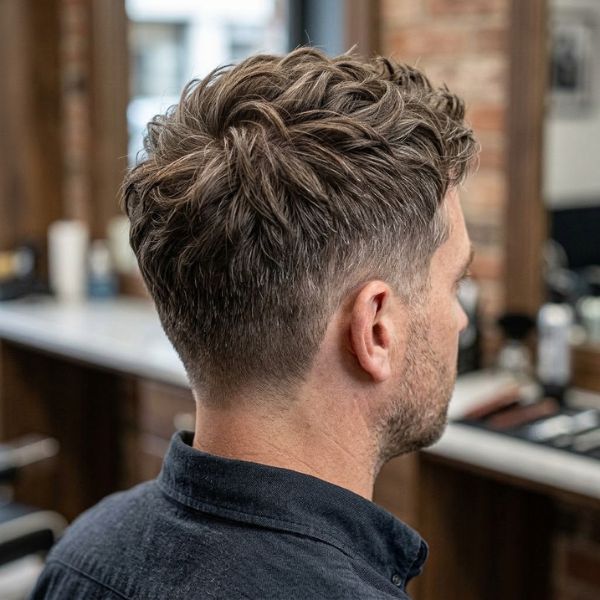
The classic variation uses a short top, a forward fringe, and a balanced mid fade. It provides a clean starting point for people who want a contemporary haircut without extreme styling.
Messy Textured Crop
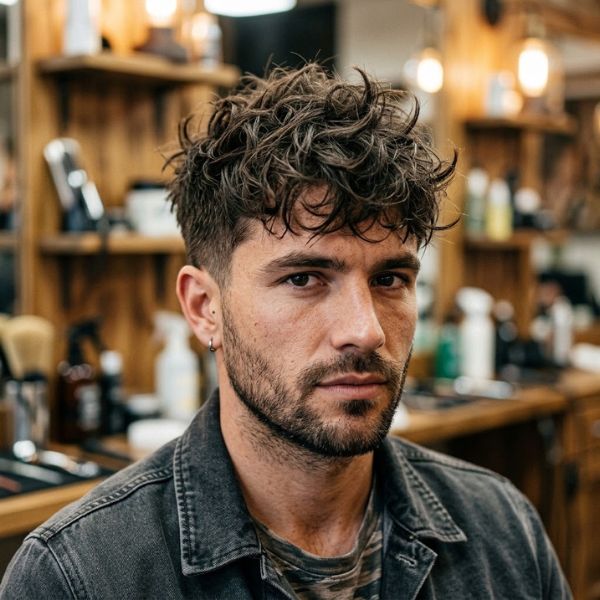
The messy version emphasizes irregular sections and natural movement. The top is arranged with the fingers instead of being combed into a uniform shape.
A small amount of matte paste can help separate the strands.
Choppy Fringe Crop
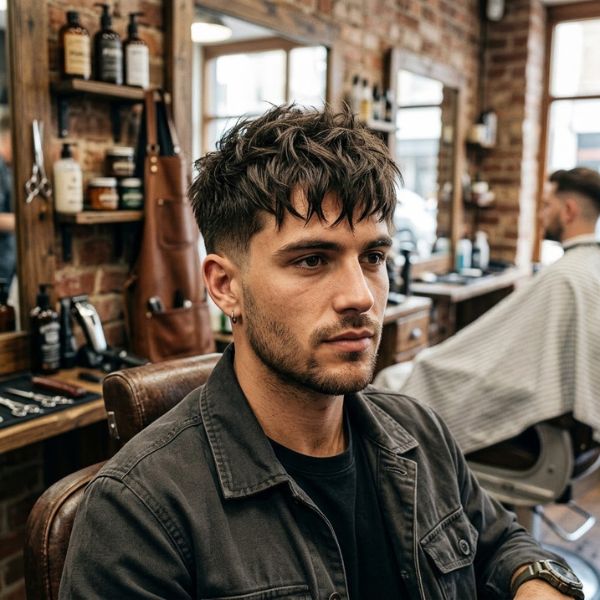
A choppy fringe creates distinct sections along the forehead. This gives the haircut a more casual appearance and works well with a textured top.
The barber should leave enough length to prevent the front from looking excessively thin.
Short Textured Crop
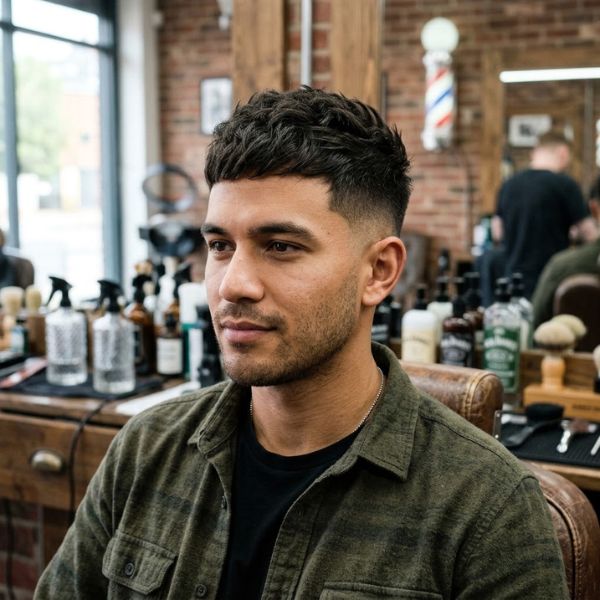
A short top offers a compact shape and a simple styling routine. It is useful if you prefer a haircut that requires minimal daily attention.
Wavy Textured Crop
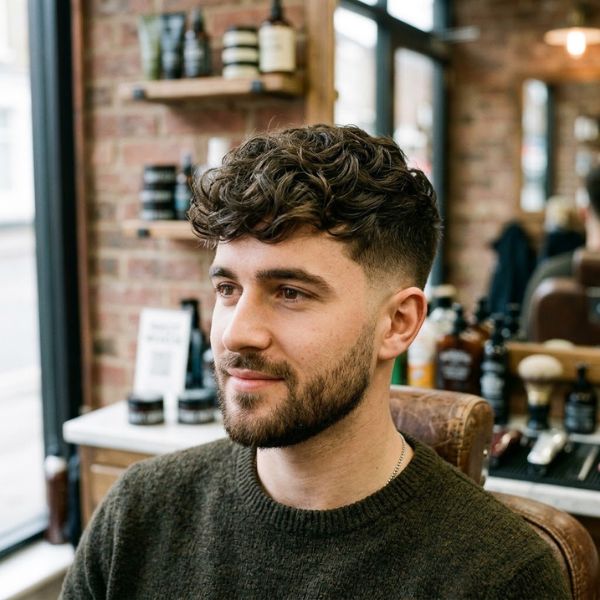
Wavy hair creates natural variation across the top. The mid fade provides contrast, while the fringe can be shaped to follow the wave pattern.
A lightweight styling cream may help reduce frizz.
Curly Textured Crop
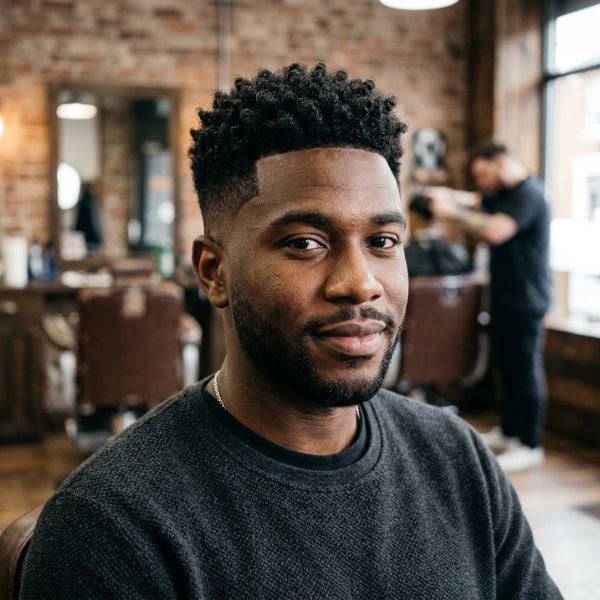
Curly hair creates extra volume and definition. The barber should work with the natural curl pattern and account for shrinkage when deciding how short to cut the top.
A suitable curl product may help maintain definition without excessive stiffness.
Textured Crop with a Skin Fade
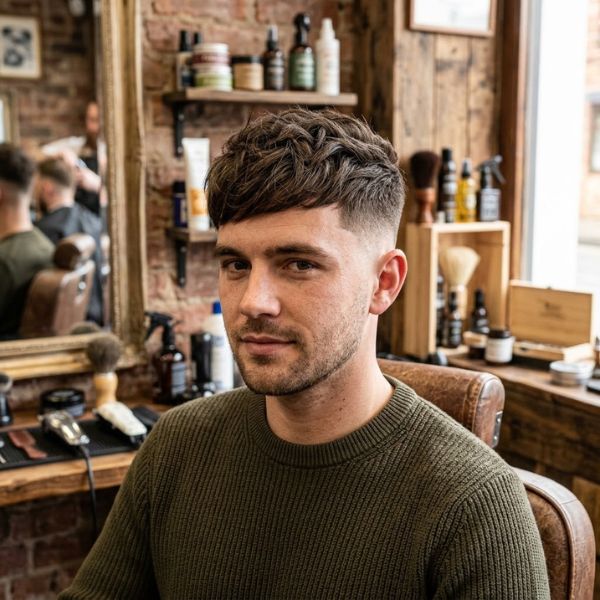
This version takes the fade down to the skin near the bottom. It produces a sharper contrast than a traditional mid fade with some remaining hair.
It may need more frequent maintenance because new growth quickly softens the clean outline.
Crop with a Line-Up
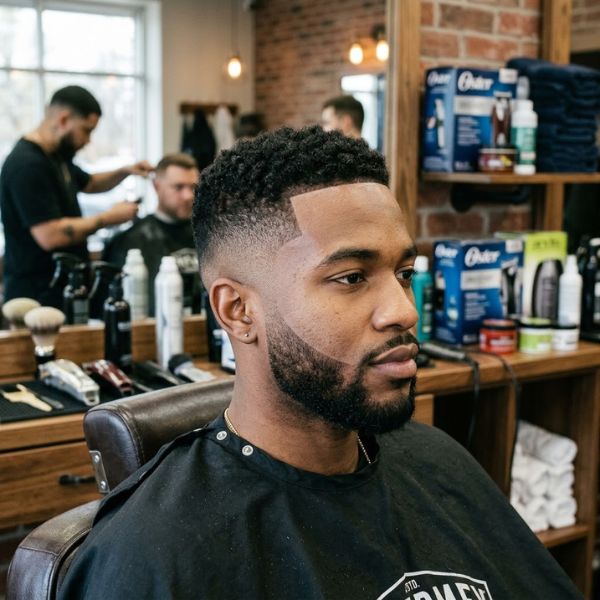
A line-up introduces defined edges around the forehead and temples. It can create a sharper, more structured finish.
The outline should remain consistent with your natural hairline.
Crop with a Beard

A beard can complement the textured top and faded sides by adding definition around the jaw. Both short stubble and a fuller beard can work.
Ask your barber to blend the sideburn area naturally into the beard if you prefer a coordinated finish.
Soft Textured Crop

This version uses less aggressive texturing and a softer fringe. It is ideal if you want a modern haircut without a highly disconnected appearance.
How to Choose the Right Mid Fade
The mid fade creates a clear transition around the sides, but the exact height can vary.
Lower Mid Fade
A lower mid fade starts closer to the lower sides. It provides a balanced appearance without removing too much fullness around the temples.
Standard Mid Fade
A standard mid fade creates a noticeable contrast between the top and sides. It works well with short, textured tops and forward fringes.
Mid Skin Fade
A mid skin fade exposes the skin near the lower sides. It looks sharper and more defined but generally requires more frequent upkeep.
When explaining your preference, show the barber where you want the fade to begin. Photographs can be more reliable than haircut terminology alone.
Read More: 7 Low Taper Fade with Textured Fringe: A Modern Hairstyle Guide for Men
Choosing the Haircut for Your Face Shape
Oval Face
Oval faces can often accommodate different crop lengths and fade heights. Experiment with the fringe shape to find the finish you prefer.
Round Face
Texture through the top can create definition. Keeping excessive width out of the sides may help produce a more elongated silhouette.
Square Face
A mid fade can complement a defined jaw and forehead. A choppy fringe softens the overall appearance, while a blunt fringe creates stronger lines.
Long Face
A forward fringe may help balance forehead length. Avoid excessive height in the top if you want to maintain more even proportions.
Heart-Shaped Face
A softer fringe and controlled side volume can help balance a wider forehead and narrower chin.
What to Tell Your Barber
Explain that you want a textured crop with a medium-height fade. Then describe the details that will determine the final appearance.
- Specify whether you want a short, choppy, or longer fringe.
- Explain how much texture you want on top.
- Show whether you prefer a traditional fade or a skin fade.
- Discuss how much scalp visibility you are comfortable with.
- Mention whether your hair is straight, wavy, or curly.
- Ask for enough density to remain through the top.
- Discuss how often you want to return for trimming.
If your hair grows in different directions, point out any cowlicks before the barber starts cutting.
How to Style the Haircut
The styling process is relatively simple.
- Start with clean hair and remove excess moisture.
- Use your fingers to guide the top forward.
- Create separation between individual sections.
- Apply a small amount of matte paste or clay.
- Adjust the fringe to your preferred shape.
- Avoid flattening the top if you want visible texture.
A blow dryer can help create direction, especially with straight or thick hair. Use moderate heat and consider a heat-protectant product if you use it regularly.
Product Suggestions
- Matte paste: Offers flexible control and definition.
- Matte clay: Helps shape thicker hair.
- Lightweight cream: Supports a softer finish.
- Curl cream: Can help define naturally curly hair.
- Texturizing spray: May add separation to some hair types.
Choose products based on your hair rather than buying everything at once.
Maintenance and Hair Care
A mid fade generally needs periodic trimming to preserve the transition. The top may remain manageable for longer, depending on the chosen length.
- Consider a trim every two to four weeks for a sharp fade.
- Maintain the fringe before it becomes uncomfortable.
- Use a suitable shampoo and conditioner.
- Avoid excessive thinning if your hair is fine.
- Keep styling products away from the scalp if they cause buildup.
- Save a photograph of the haircut you liked for future appointments.
If you prefer a softer appearance, allow more time between visits and let the fade grow out naturally.
Mistakes to Avoid
- Choosing a fade that is too high: It may create more contrast than you intended.
- Over-texturing fine hair: The top may lose the appearance of fullness.
- Using heavy products: The hairstyle may become greasy or stiff.
- Cutting curly hair too short while wet: Shrinkage can change the finished proportions.
- Neglecting the fringe: The front can quickly become difficult to manage.
- Expecting the fade to remain sharp for weeks without trimming: Hair growth naturally softens the outline.
Frequently Asked Questions:
Is a mid fade suitable for a textured crop?
Yes. The fade provides contrast, while the textured top adds movement and definition.
Does this haircut work with thick hair?
Yes. Controlled layering can reduce excess bulk and make styling easier.
Can men with thin hair get this style?
Yes, but the barber should avoid excessive thinning. A carefully shaped top may help create the appearance of fullness.
Is a skin fade necessary?
No. A regular mid fade can look clean without exposing the skin at the bottom.
How often should I get a trim?
A sharp mid fade may need attention every two to four weeks. A softer version can be maintained less frequently.
Can I wear it without styling products?
Yes. If your natural texture provides enough movement, you may not need any product.
Final Thoughts
The textured crop mid fade combines a contemporary top with a clearly defined side profile. Its appearance can range from soft and natural to sharp and high-contrast.
Choose the fade height carefully, preserve enough texture on top, and communicate your preferred fringe length to your barber.
With a suitable cut and straightforward maintenance, this hairstyle can offer a modern look without demanding a complicated daily routine.